News

Explore Our Latest News

China 1

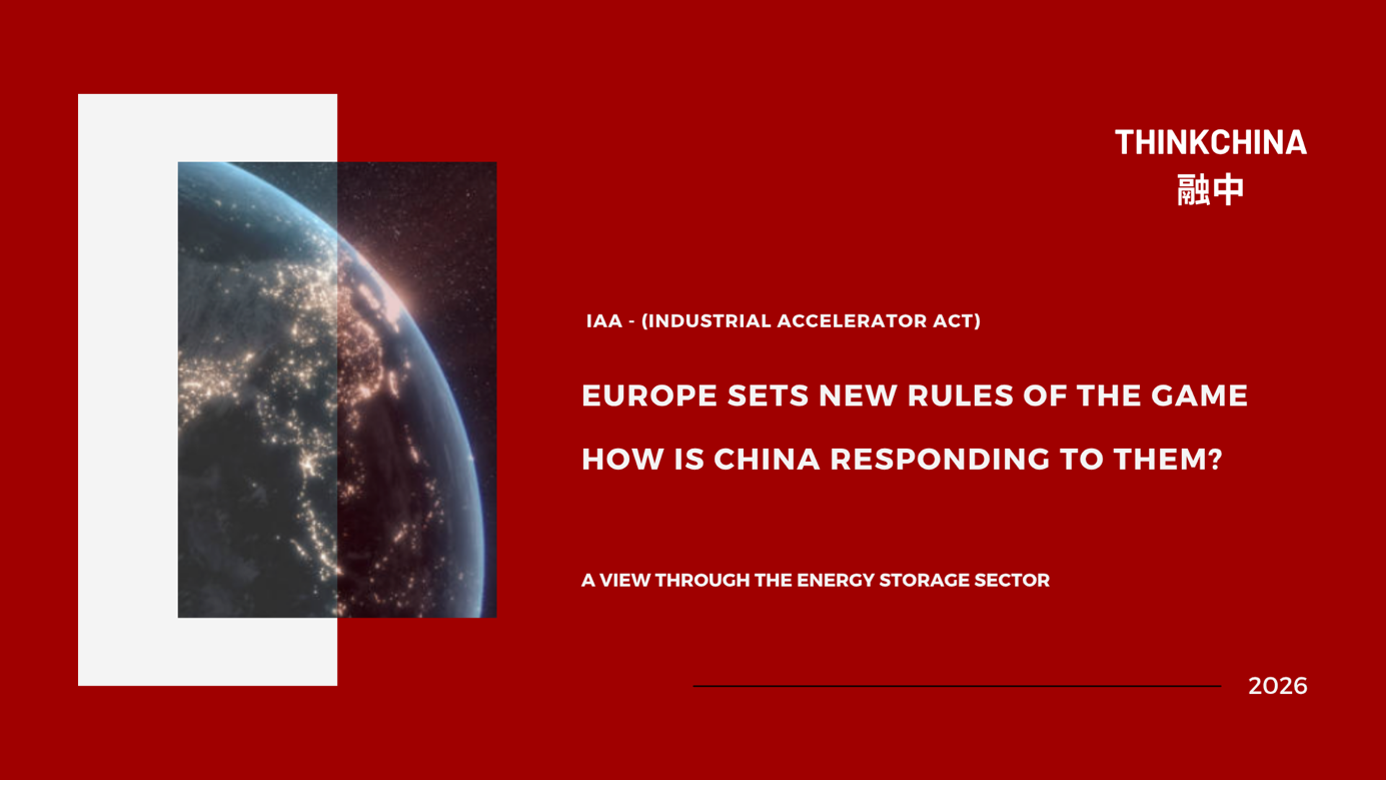
Ænon - ThinkChina Publication - Industrial Accelerator Act (IAA): a new framework for Sino-European partnerships in strategic sectors

Europe - China

Asia

Chapter IV of the proposal, devoted to the contribution of foreign investments, does not mention any third State. But the determining criterion for its scope of application — the threshold of 40% of global manufacturing capacity held by the investor's country of origin — leaves very little room for ambiguity when crossed with the four sectors covered.

Its scope is deliberately limited to foreign direct investments exceeding EUR 100 million in:

  • batteries and their value chain for energy storage;
  • electric vehicles and components linked to electrification and digitalisation;
  • solar photovoltaic technologies;
  • the extraction, processing and recycling of critical raw materials.

Yet in all four of these segments, the industrial reality is documented. China today controls more than 83% of global battery cell manufacturing capacity, and more than 80% of photovoltaic module manufacturing across the entire value chain.

> 83%
of global battery cell manufacturing capacity controlled by China
> 80%
of photovoltaic module manufacturing across the entire value chain

These dependencies expose the Union to structural risks, which China's recent restrictions on the export of critical materials — rare earth magnets, anode materials, lithium refining technologies — have illustrated very concretely.

The text therefore does not close the European market to Chinese investors. It redraws the legal framework within which future Sino-European partnerships will have to be structured.

From a logic of risk to a logic of value

What distinguishes this text from existing foreign investment control mechanisms is its legal basis. Regulation (EU) 2019/452, currently in force on the screening of foreign investments, is based on a logic of security and public order: it allows an investment to be blocked or conditioned when it poses a risk to essential State interests.

The IAA introduces a complementary and different logic. Investment is no longer assessed solely according to the danger it represents, but according to the industrial value it brings to the Union: skilled jobs, localised research, shared technology, local sourcing.

Here, the Commission explicitly draws a lesson from the Chinese experience. The Impact Assessment accompanying the Commission's proposal recalls that China, for decades, conditioned access to its market on requirements relating to technology transfer, joint ventures under Chinese control, localisation of R&D and local sourcing — and that these conditions enabled its industries to move up the value chain while absorbing foreign know-how.

"The Union is now adopting a symmetrical logic, precisely in the sectors where China holds the dominant position that it once reserved for Western investors on its own territory."

The two regimes coexist and overlap. A Sino-European partnership could therefore meet the security requirements of the 2019 Regulation and nonetheless be blocked or conditioned under the IAA for lack of sufficient industrial contribution.

The six conditions: what future Sino-European partnerships will have to demonstrate

From twelve months after the entry into force of the Regulation, the competent national authorities will only be able to approve the investments concerned if they find at least four out of the following six criteria — one of which is mandatory.

Condition a)
Limitation of foreign control

The foreign investor may not hold more than 49% of the capital, voting rights or any equivalent rights conferring control over the European target.

Condition b)
Joint venture with a Union partner

The investment may be structured as a JV, provided that the foreign investor holds less than 50%, and above all that the participation of the European partner is genuine: in management, in technology transfer, and in capacity-building. The JV may therefore not be a formal shell intended solely to facilitate market access. It must embody a genuine shared industrial project.

Condition c)
Licence of intellectual property and know-how

The foreign investor will have to conclude agreements enabling the European entity to benefit from licences over the intellectual property and know-how necessary for the activity. The regime is asymmetrical: pre-existing IP, or IP developed without collaboration, remains exclusively European; developments arising from the collaboration would be jointly owned. This is precisely the reverse of what China long imposed on its foreign partners.

Condition d)
R&D expenditure in the Union

The foreign investor will have to devote each year, in the Union, an amount at least equivalent to 1% of the target's annual gross turnover, pro rata to its participation.

Condition e) Mandatory
Employment of Union workers

At least 50% of the workforce linked to the investment will have to consist of Union workers, across all categories of positions, including technical, managerial and supervisory functions. This requirement applies from implementation and must be maintained throughout operations.

Condition f)
Strengthening the Union's value chains

The foreign investor will have to publish a local sourcing strategy and endeavour to source at least 30% of its inputs from suppliers established in the European Union.

The anti-circumvention clause

The text provides for a provision aimed at preventing avoidance strategies. The competent authorities could apply all or part of the mechanism to an investment carried out in the Union by a European subsidiary of a foreign investor, where circumvention is established or where no less restrictive measure is available. The interposition of a pre-existing European structure will therefore not, under the IAA, constitute sufficient protection.

What this changes for European companies that have chosen China

For European companies that already have Chinese partners, or that are currently negotiating a JV in one of the covered sectors, the practical implications are immediate.

The governance of the JV will have to be rethought. The 49% limit imposed on the Chinese investor presupposes that the European partner will hold formal majority control. But above all, it will have to exercise real participation in management and in strategic decisions. For European companies accustomed to playing a passive role in their JVs with Chinese players — bringing market access or an operating licence, without operational involvement — this represents a substantial change of position, which also requires a rise in capabilities.

Intellectual property will become a central issue from the negotiation stage onwards. The ownership regime for IP — prior, concurrent and future — will have to be structured carefully. Provisions on licences, exclusivity conditions and the allocation of rights over collaborative developments will become structuring clauses of the JV agreement.

Local employment and R&D will become contractual and regulatory obligations. The requirement for predominantly local, continuous and verifiable employment transforms what had until now been a matter of good practice into an enforceable legal requirement. The same applies to R&D: its volume, localisation and scope will have to be documented.

The future IAA framework also constitutes a lever for companies currently in negotiation. It justifies requiring, from now on, a deeper anchoring of the Chinese partner in Europe, more balanced governance, and a more rigorous structuring of rights over technology.

A text still under discussion, but a direction already clear

The proposal must be examined by the European Parliament and the Council. Adjustments are likely regarding the definition of thresholds, the exact scope of the covered sectors, and the modalities of application of the anti-circumvention clause. Some Member States may argue for greater flexibility, particularly those that have the most to gain from attracting foreign industrial investment to their territory.

But the direction has been set, and it is clear enough for companies that are currently structuring partnerships with Chinese players in the battery, photovoltaic, electric vehicle or critical raw materials sectors to integrate it — without delay — into their strategic and contractual thinking.

Offibat & Chiron

Ænon advises Offibat

Paris, France

Europe

Ænon advised the shareholders of French construction group Offibat in the acquisition of the French company Chiron Couverture. This acquisition strengthens the Group's capabilities in roofing services.

The transaction was lead by Franck da Silva and Xavier de Leyssac.
  • Offibat is a French building services group specializing in technical maintenance, renovation, and energy-efficiency works for residential and commercial buildings in the Paris region. The group brings together several complementary companies covering trades such as electrical engineering, HVAC, roofing, plumbing, and general building works. With nearly 400 employees and around €100 million in consolidated revenue, OFFIBAT focuses on sustainable building management and energy renovation across Île-de-France.
  • Chiron Couverture is a French roofing company specializing in the maintenance, repair, and renovation of rooftops, particularly for residential and historic buildings across the Paris region. The company provides a full range of roofing services, including waterproofing, zinc work, and structural roof repairs.
Franck KL

Ænon invited to the Capital Market and M&A Forum in Kuala Lumpur

Kuala Lumpur, Malaysia

Asia

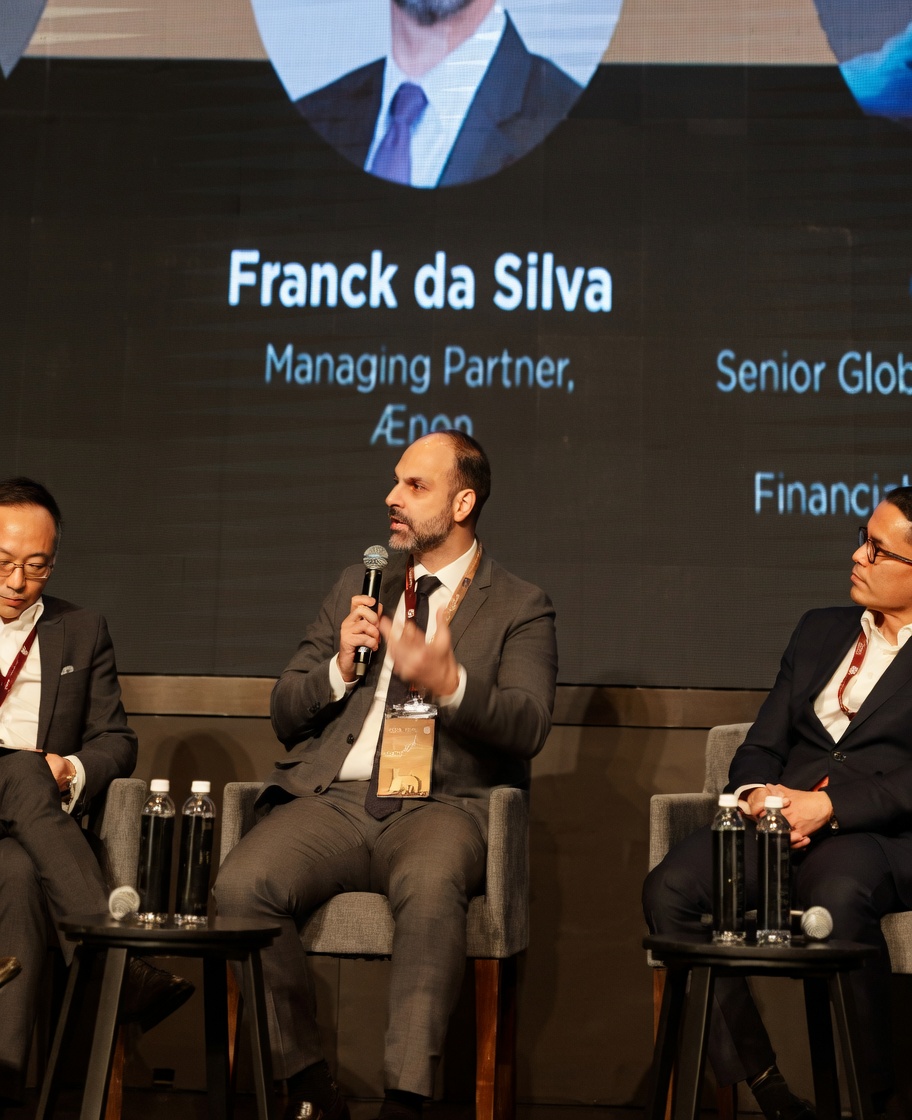
Franck da Silva represented Ænon at the Capital Market and M&A Forum in Kuala Lumpur organized by ARC Group as a panelist in a discussion regarding the future of M&A in Emerging Asia.
Franck ITW

Franck da Silva has been invited to the Emerging Markets Insights Podcast

Bangkok, Thailand

Asia

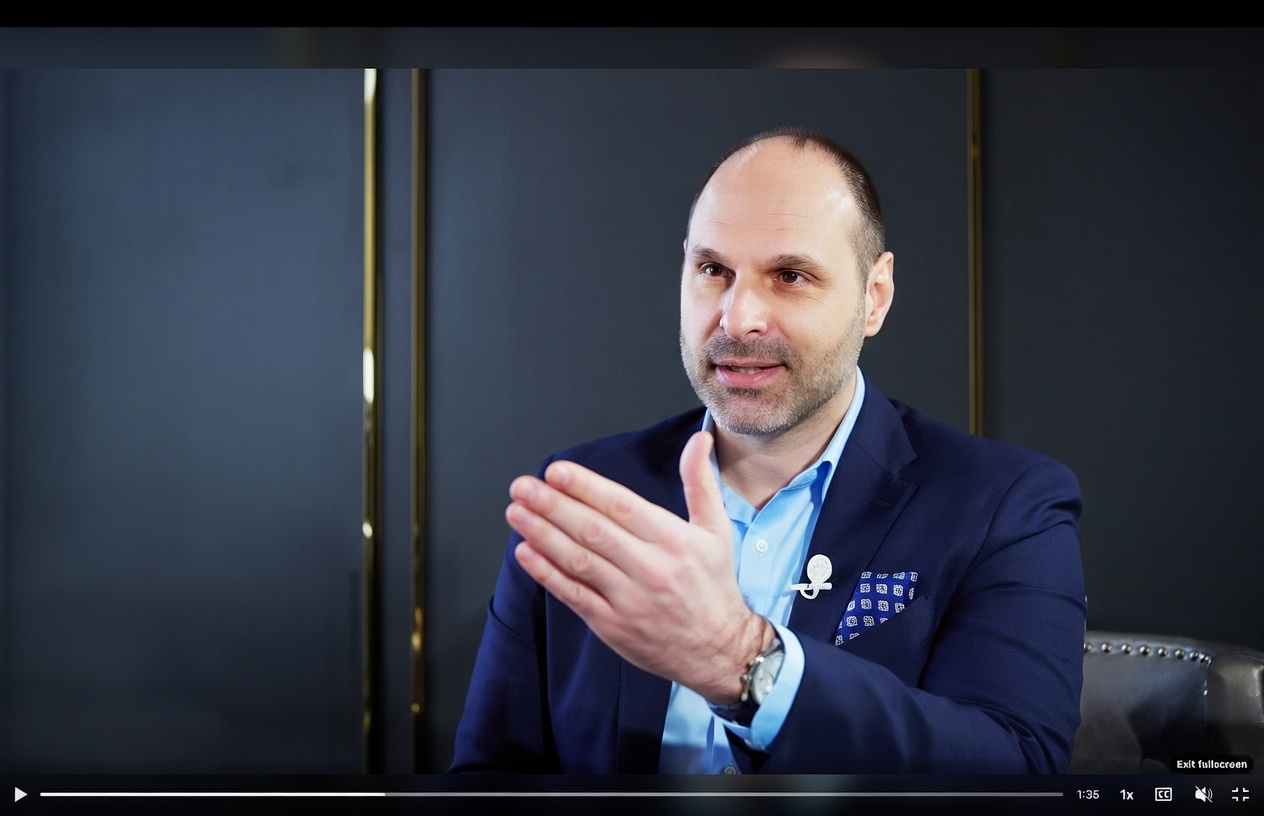
Our founder Franck da Silva shared his insights on deal making in Europe and Southeast Asia. Watch the podcast:
Hanoi state visit

Hanoi state visit

Paris, France

Asia

Ænon facilitating Cross-Border Investment Flows between France and Vietnam

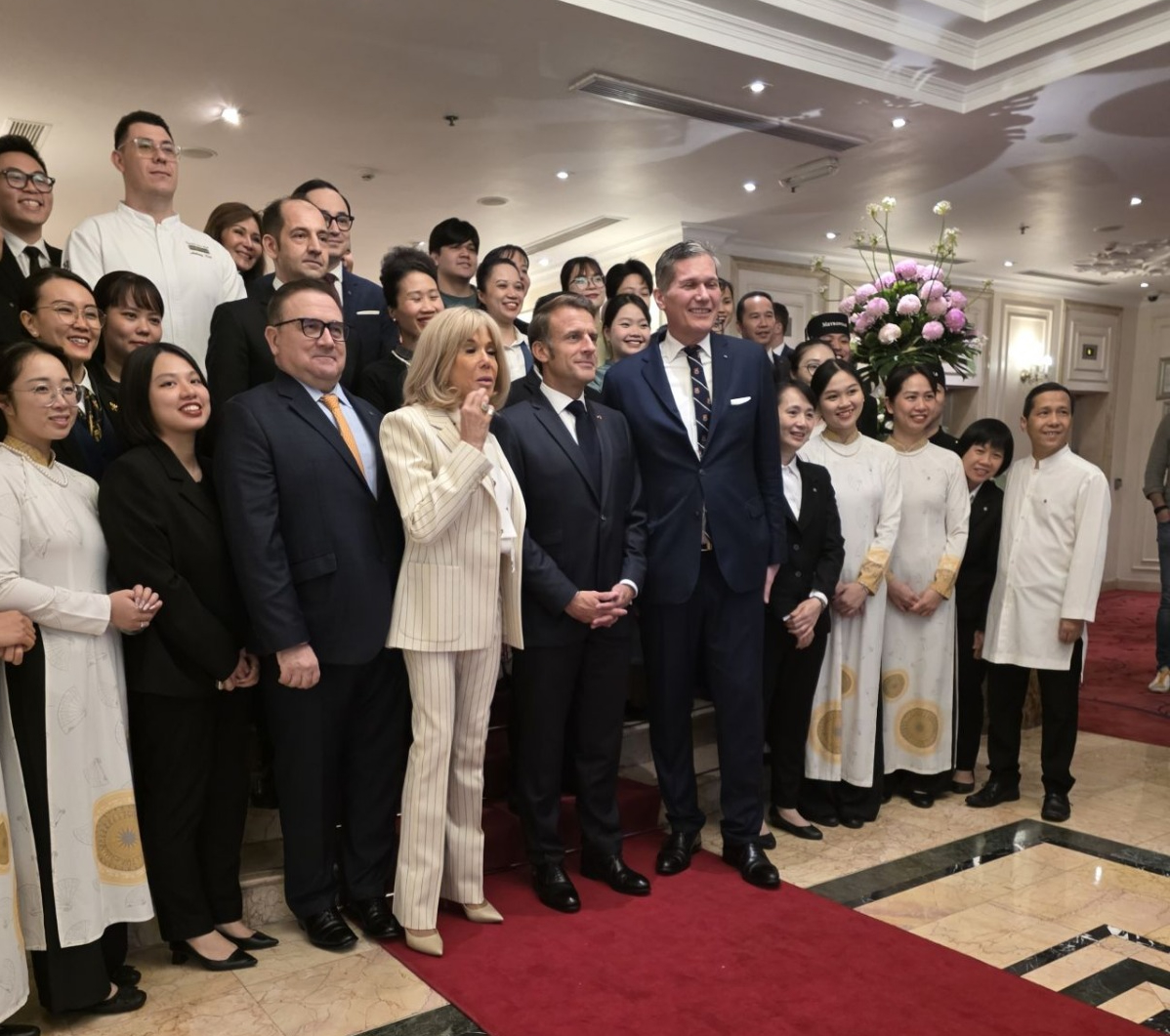
HANOI, VIETNAM - On the occasion of the official state visit of French President Emmanuel Macron to Vietnam, Ænon played an active role in the bilateral economic sequences held in Hanoi.

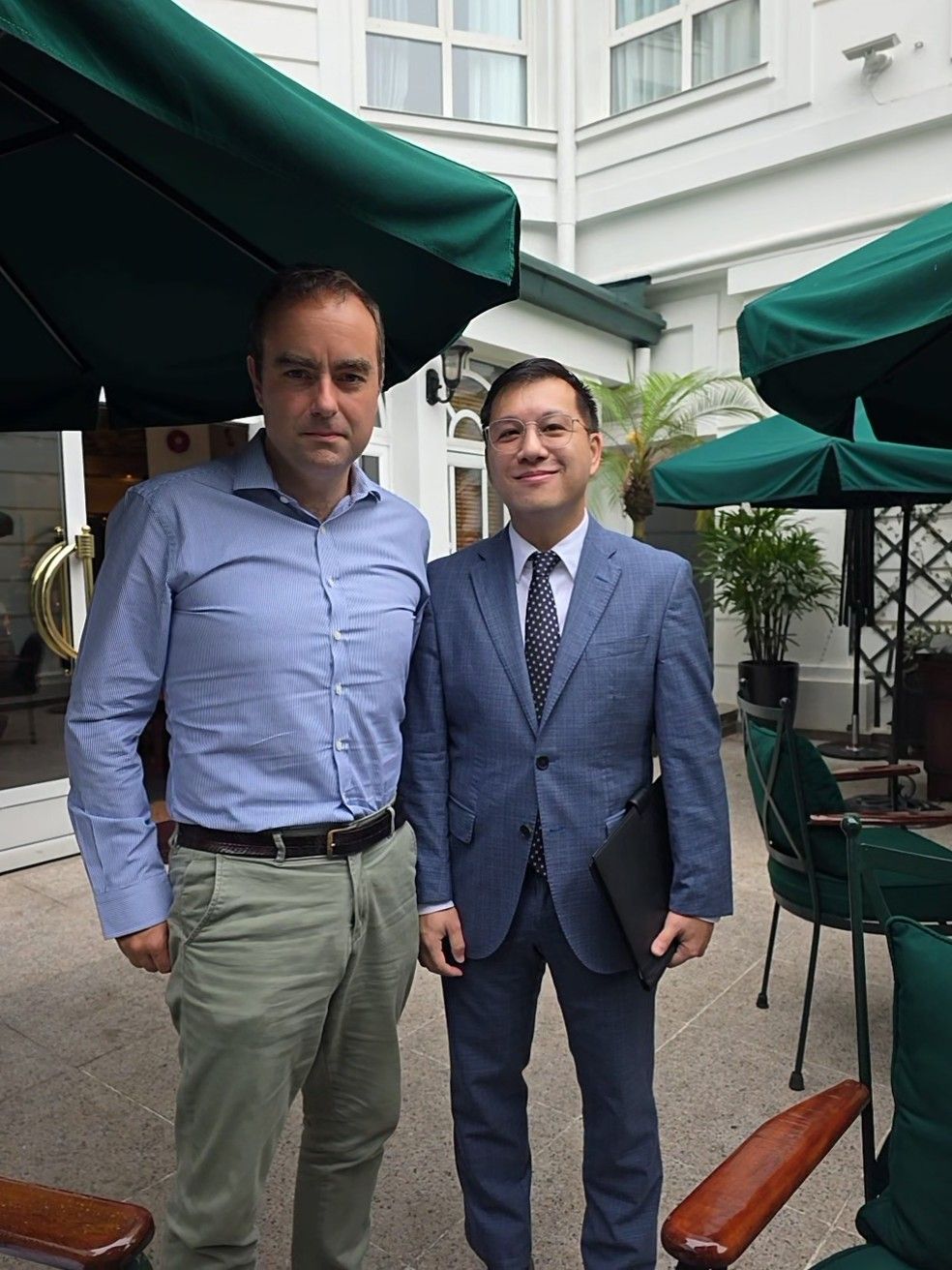
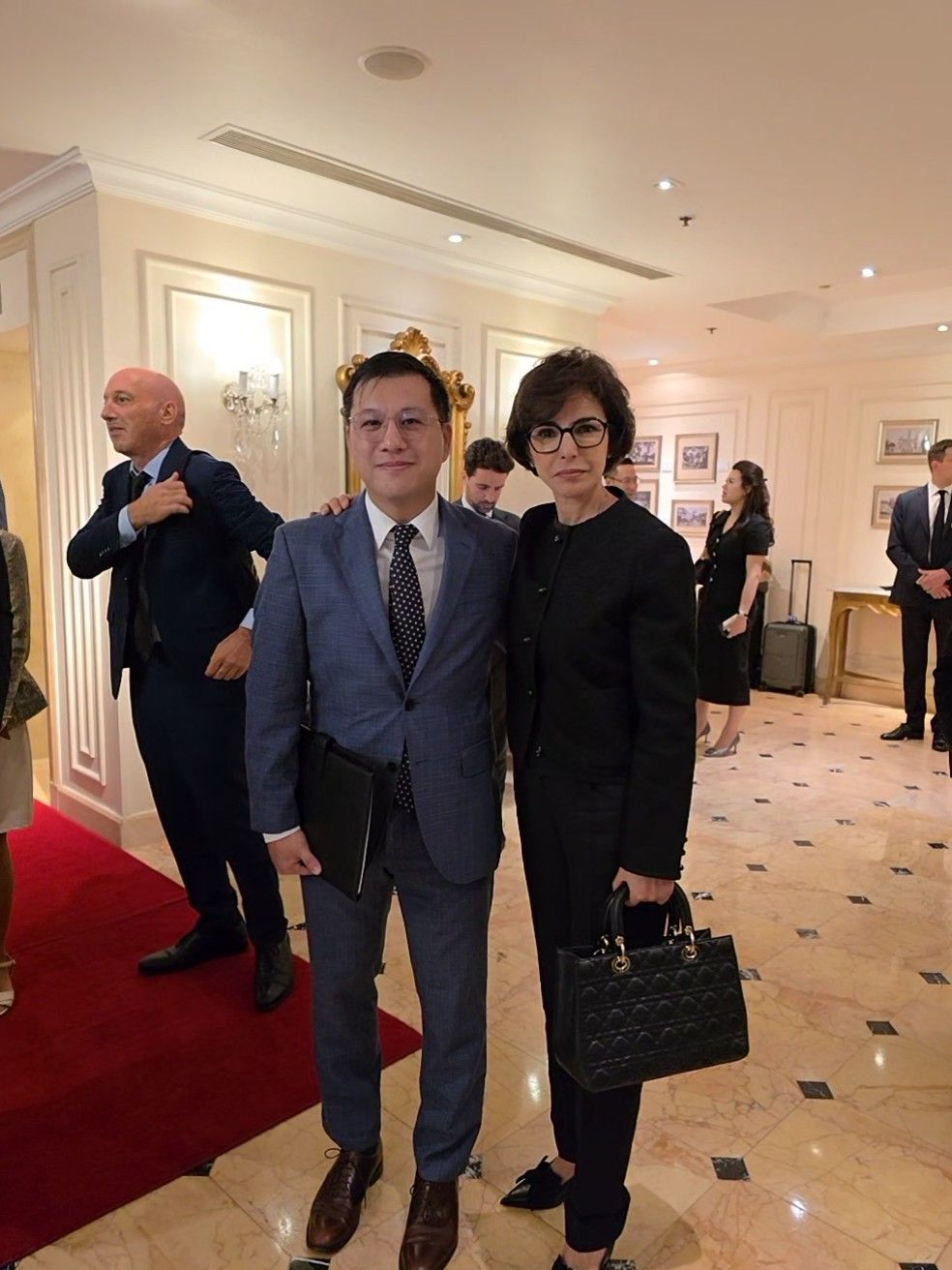
Our Partner, Mr. Anh Tam Nguyen, represented the firm during several high-level roundtable discussions and private institutional meetings. These exchanges, involving members of the presidential delegation and senior Vietnamese officials, focused on deepening the industrial and financial ties between the two nations.

"These diplomatic milestones are the bedrock upon which long-term economic successes are built," commented our Partner Mr. Anh Tam Nguyen during a session with Vietnamese business representatives. "At Ænon, our conviction is that high-level outreach must be paired with deep-rooted local expertise to translate state-level agreements into concrete operational outcomes for our clients."

Members of the French delegation present included:
1) Mr Eric Lombard, French Minister of Economy, Finance, Industrial and Digital Sovereignty
2) Mr Sébastien Lecornu, French Minister of the Armed Forces
3) Mrs Rachida Dati, French Minister of Culture
4) Mr Luc Chatel, former French Minister of National Education
Hanoi state visit 1 Hanoi state visit 2
Mettetal

Ænon advises Mettetal's shareholders

Paris, France

Europe

Ænon advised the shareholders of French luxury goods manufacturer, Mettetal Création, in their first MBO. With the significant investment of Turenne Capital, Mettetal Création will grow its footprint in the global luxury market.

  • Mettetal Création is a French family-owned company specializing in the creation, development, and production of custom metal accessories for premium and luxury markets. With expertise spanning three generations, they craft bespoke items such as hooks, clasps, buckles, rivets, and other metallic components for jewelry, leather goods and ready-to-wear. Their comprehensive tailored services encompass the entire process from initial design to the delivery of the finished product.
  • Turenne Capital is a French private equity firm that supports small and medium-sized enterprises (SMEs) in their growth and development through investments, with expertise in sectors like healthcare, technology, and industry.
Porto

Road show in Porto

Porto, Portugal

Europe

Ænon held a road show in Porto to promote business opportunities in Europe and to foster new partnerships.
The event highlighted the potential for collaboration between Portuguese companies and Ænon's ecosystem, enhancing cross-continental business relationships.

Amanah International

Launch of Amanah International

Singapore, Singapore

Worldwide

Ænon partnered with Singapore-based M&A Fortuner to launch Amanah International, an innovative network of professionals.

Amanah International

Amanah International is a strategic alliance of multidisciplinary advisors committed to guiding shareholders and CEOs through the most significant challenges faced throughout the life cycle of their companies. Amanah International's expertise spans a wide range of disciplines, including M&A advisory, transaction services, wealth management, IT transformation, corporate communication, and more.

Bangkok

Ænon launches in Southeast Asia

Southeast Asia

Southeast Asia

The SEA team debuted with a lively kickoff meeting, launching their strategic initiatives.
Post-launch, we conducted a road show in Southeast Asia, engaging with potential partners, followed by a team-building event in Bali focusing on collaboration and growth strategy.

Tokyo

Road show in Tokyo

Tokyo, Japan

Asia

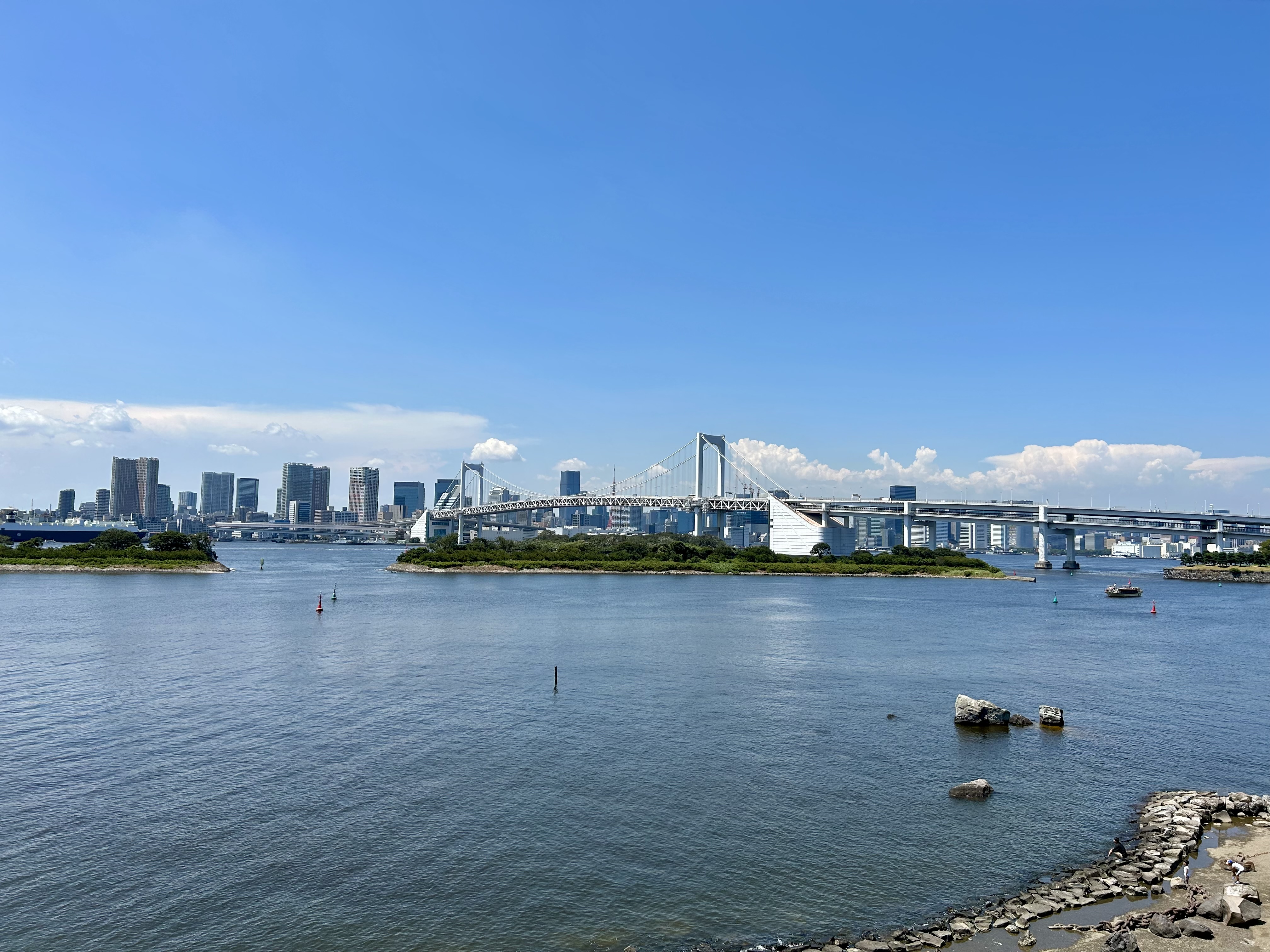
Ænon organized a road show in Tokyo aimed at promoting opportunities in Europe and finding new business partners.

The initiative also focused on connecting Ænon's ecosystem with Japanese firms for mutual growth, leveraging Tokyo's dynamic business environment.

Singapore

Road show in Southeast Asia

Southeast Asia

Southeast Asia

Our team embarked on an extensive road show across Southeast Asia, visiting key cities like Kuala Lumpur, Phnom Penh, Bangkok, Manila, and Singapore.
During this tour, we met with interesting entrepreneurs, absorbed local business culture, and identified potential team members and partners, enriching our understanding of the region's diverse markets.

Ænon

Archives

Archives

Archives